Introduction: Dental health is a crucial aspect of our overall well-being, and advancements in dentistry have made it possible to overcome various dental issues more effectively than ever before. Among these advancements, dental implants stand out as a revolutionary solution for replacing missing teeth. In this blog post, we’ll delve into the world of dental implants, exploring their benefits, the process involved, and what patients can expect from this transformative dental procedure.
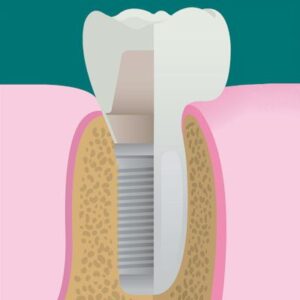
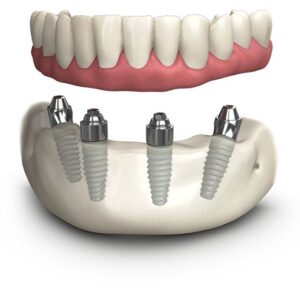
What are Dental Implants? Dental implants are artificial tooth roots, typically made from titanium, that are surgically placed into the jawbone beneath the gums. These implants provide a strong foundation for fixed (permanent) or removable replacement teeth that are made to match your natural teeth.
Benefits of Dental Implants:
- Improved Appearance and Comfort: Dental implants look and feel like your own teeth. Because they are designed to fuse with bone, they become permanent.
- Enhanced Speech: With poor-fitting dentures, teeth can slip within the mouth, causing you to mumble or slur words. Dental implants allow you to speak without the worry of teeth slipping.
- Easier Eating: Sliding dentures can make chewing difficult. Dental implants function like your own teeth, allowing you to eat your favorite foods with confidence and without pain.
- Improved Oral Health: Unlike a tooth-supported bridge, dental implants don’t require reducing other teeth. More of your own teeth are left intact, improving long-term oral health.
The Dental Implant Process:
- Initial Consultation: Your dentist will conduct a thorough examination, including X-rays and possibly a CT scan, to ensure dental implants are suitable for you.
- Implant Placement: The implant is surgically placed into the jawbone. There’s a healing period that can last several months.
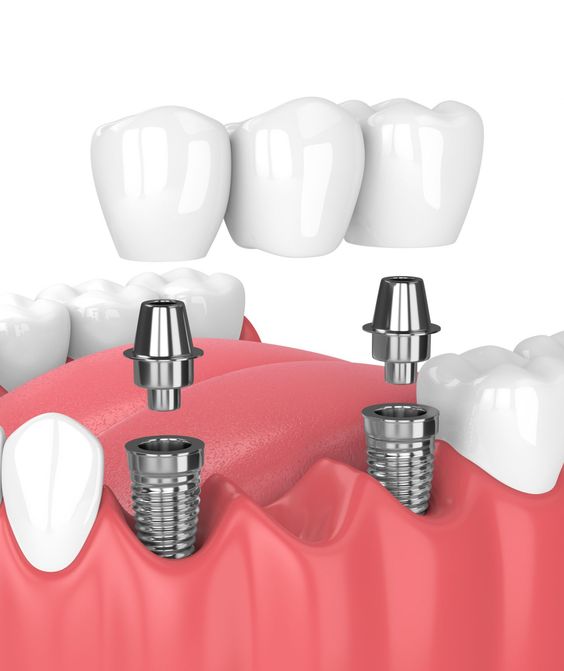
- Abutment Placement: Once the implant bonds with the jawbone, a small connector post – the abutment – is attached to the implant to securely hold the new tooth.
- Custom Tooth Creation: An impression of your teeth is taken, and a new tooth (a crown) is created. This crown is then attached to the abutment.
Aftercare and Maintenance: Dental implants require the same care as real teeth, including brushing, flossing, rinsing with an antibacterial mouthwash, and regular dental check-ups.
Who Can Get Dental Implants? In general, anyone healthy enough to undergo a routine dental extraction or oral surgery can be considered for a dental implant. Patients should have healthy gums and enough bone to hold the implant. They also must be committed to good oral hygiene and regular dental visits.
Conclusion: Dental implants are a safe, well-established treatment and are usually successful. They are a fantastic option for people who have lost a tooth or teeth due to periodontal disease, an injury, or some other reason. If you’re considering dental implants, consult with your dentist to see if they are right for you and to understand the full scope of the procedure and care involved.